

 by plotx.in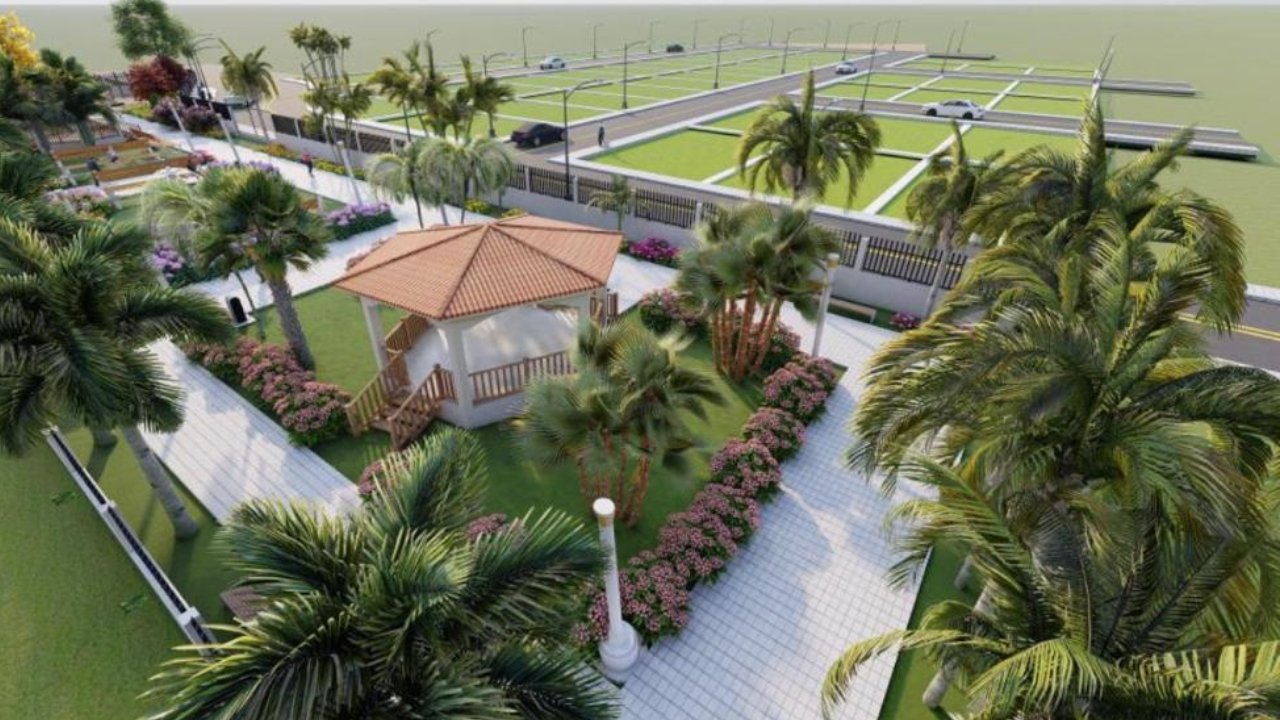
Land development is more than just constructing buildings; it plays a crucial role in shaping vibrant and sustainable communities. A well-planned development enhances infrastructure, improves local economies, and provides residents with better living conditions. From residential townships to commercial hubs, strategic land development transforms empty spaces into dynamic environments where people can live, work, and thrive.
1. Infrastructure and Connectivity
One of the biggest advantages of planned land development is improved infrastructure and connectivity. Roads, public transportation, utilities, and digital networks are essential for making an area livable and accessible. Well-developed land ensures smooth transportation, reliable electricity, water supply, and high-speed internet, attracting businesses and residents alike. Connectivity also boosts property values and fosters economic growth.
2. Economic Growth and Job Creation
Developing land leads to new business opportunities, retail spaces, and industrial zones, which generate employment and stimulate the local economy. As companies establish offices and retail outlets, the demand for services, housing, and amenities increases. This creates a chain reaction of growth, benefiting both investors and the community. Additionally, construction projects provide jobs, boosting income levels and local spending.
3. Community and Sustainability
Modern land development focuses on creating green, sustainable, and people-centric spaces. Developers are incorporating parks, eco-friendly buildings, and smart city technologies to enhance residents’ quality of life. Thoughtful urban planning ensures that communities have access to healthcare, education, and recreational spaces, making them more attractive for long-term settlement. A well-planned development not only meets present needs but also preserves resources for future generations.
Through strategic planning, land development transforms landscapes into thriving, self-sufficient communities. By prioritizing infrastructure, economic opportunities, and sustainability, developers can create spaces that foster growth and enhance the overall quality of life.